Engineered for compliance with AS/NZS standards, delivering extreme duty reliability, advanced load management, and integrated safety profiles.
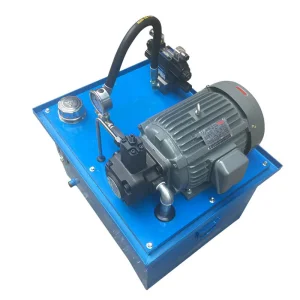
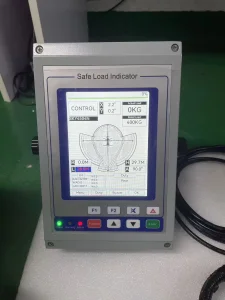
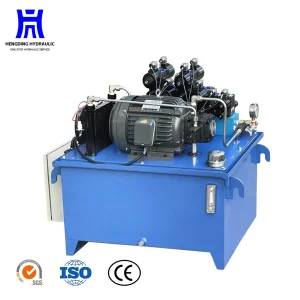
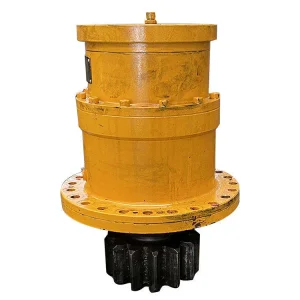
Get in touch with our system engineers today to design, optimize, or import Canberra-spec high-altitude work platform configurations.
Send Inquiry NowThe Australian Capital Territory (ACT), with its administrative hub in Canberra, represents a unique and highly structured industrial and commercial framework. Unlike other heavily industrial Australian hubs, Canberra's development is governed by stringent urban planning rules, historic preservation controls, and a high concentration of institutional, governmental, and critical infrastructure sectors. This regulatory profile places demands on the procurement and operation of Aerial Work Platform (AWP) systems. Developers and public works agencies operating in industrial nodes like Fyshwick, Hume, Mitchell, and the expanding high-density residential corridors in Belconnen and Gungahlin require high-altitude access solutions that perform with zero room for failure.
In Canberra, site work is governed heavily by WorkSafe ACT under the Work Health and Safety Act 2011. Any elevated work platform operation must comply with strict criteria, including mandatory design verification, daily pre-start inspections, and the implementation of advanced secondary guarding systems to prevent operator entrapment. The market has shifted towards smart, monitored hydraulic systems and integrated electronic controls that prevent structural overload and lateral instabilities. As local infrastructure projects, such as the Canberra Light Rail expansion and parliamentary district structural maintenance, demand reliable high-altitude tasks, global exporters must supply machinery equipped with advanced telemetry and safety margins.
Globally, the Aerial Work Platform market is undergoing a transition driven by two primary forces: electrification and intelligent automated safety systems. The demand for green-certified construction in high-density urban zones across North America, Western Europe, and Asia-Pacific has accelerated the adoption of electric scissor lifts, hybrid boom lifts, and clean-running hydraulic power configurations. Environmental regulations are pushing traditional internal combustion engines out of indoor and semi-indoor jobsites.
At the same time, the supply chain for high-precision components—such as double-acting proportional multi-way valves, electro-hydraulic actuators, and smart basket weighing sensors—has consolidated around premium manufacturing hubs. Exporters must maintain strict compliance with domestic standards like EN 280 in Europe, ANSI/SAIA A92 in the United States, and AS/NZS 1418.10 in Oceania. System stability, hydraulic cleanliness, and functional safety integrity levels (SIL) are the benchmarks by which global procurement managers assess OEM suppliers.
Qingdao Liftara Lift Co., Ltd. stands as an established and professional manufacturer of high-caliber hydraulic lifting platforms based in China. The company operates a fully integrated ecosystem that brings together research & development, structural design, manufacturing, quality assurance testing, and international installation operations under one roof. With a commitment to manufacturing excellence, Liftara utilizes advanced fabrication equipment, modern assembly systems, and complete mechanical/electronic testing instruments to ensure every hydraulic lift system satisfies global industrial codes.
Each hydraulic lifting system built by Liftara is fabricated from high-grade structural steel, ensuring structural integrity under maximum load conditions. The product designs emphasize structural stability, operator safety, ease of maintenance, and compliance with national and international quality standards. These systems serve in logistics warehouses, marine docks, commercial airports, shopping centers, and high-altitude manufacturing assembly lines globally.
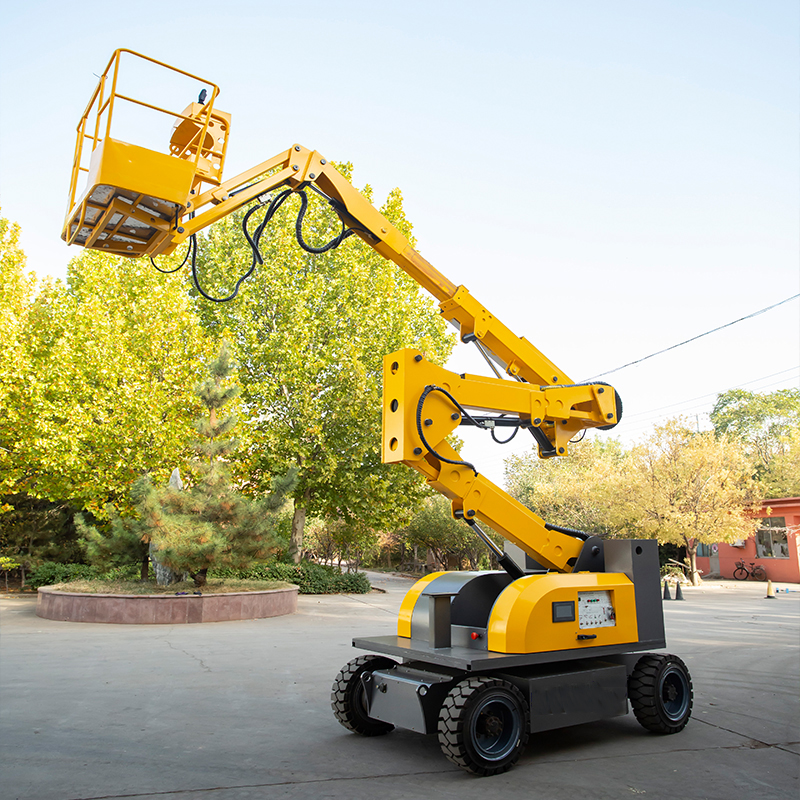
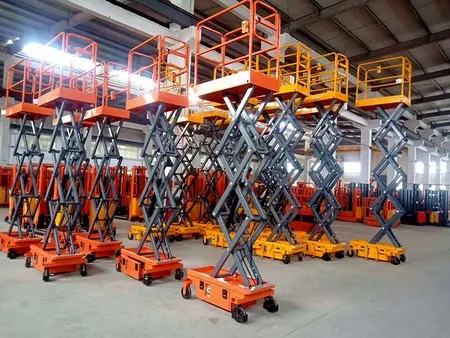
The company's product catalog is diverse and engineered for industrial robustness. Liftara's main product lines include mobile lifting operation platforms, fixed lifting platforms, rail-guided lifts, self-propelled scissor lifts, high-tensile aluminum alloy master lifts, residential and villa elevator installations, barrier-free access lifts, agricultural/industrial conveyors, vehicle-mounted boom lifts, and heavy-duty automatic walking platforms. These products are widely deployed in electrical infrastructure maintenance, commercial communications networks, street lighting, traffic management, landscaping, outdoor advertising, and large-scale industrial mining enterprises.
Recognizing the unique demands of global enterprise clients, Liftara offers customization services for specialized hydraulic lift dimensions, high-tonnage cargo capacities, and explosion-proof electrical systems tailored for hazardous industrial zones. Liftara has developed multi-mast rotary aluminum alloy elevators, smart guide rail lifts, and heavy-duty chain elevators that have earned high industry marks for structural stability and precision engineering.
Designed to fit modern boom and scissor configurations, these components improve functional safety, mechanical feedback, and structural control.
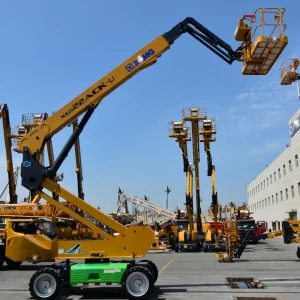
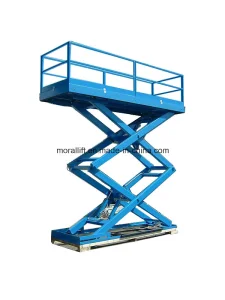
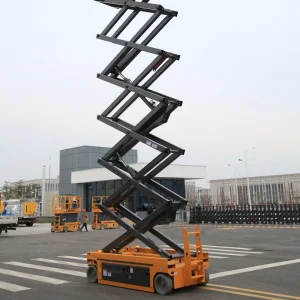
AWP systems deployed in Canberra must be designed to withstand a wide range of climatic conditions. Canberra experiences cold winter mornings with sub-zero temperatures (dropping down to -5°C to -8°C) and heavy frost formation, transitioning to dry, hot summer days exceeding 40°C. These thermal variations present technical challenges for hydraulic system design and electrical component reliability:
Sub-zero conditions increase oil viscosity, which can cause sluggish valve response or hydraulic cavitation. Our Canberra-spec units utilize low-pour-point, high-viscosity-index hydraulic fluids coupled with high-durability seals that remain flexible at low temperatures, ensuring immediate and predictable responsiveness.
Ambient temperatures exceeding 40°C, combined with continuous operation, can cause rapid heat buildup in hydraulic systems, degrading seals and reducing lubrication. Our synchronized power units feature optimized cooling pathways and integrated high-temperature thermal cutout switches to prevent component degradation.
Frost accumulation on the platform can affect load cell readouts. Our Basket Weighing System features IP67 moisture protection and automated zero-point calibration, providing reliable weight readings despite moisture, ice, or dust accumulation.
Canberra's undulating topography can create wind gusts across exposed sites. Elevating personnel under these conditions requires stable chassis designs, active tilt-sensor leveling systems, and emergency slew rotation brakes to prevent structural damage or accidents.
In municipal maintenance—such as managing high-mast lighting along the Tuggeranong Parkway or executing building envelope maintenance in Civic—low noise emission is often required. Our electric-drive platforms and DC-driven double-acting power units provide low-noise operation, making them suitable for work near government buildings, schools, and hospitals.
For Australian fleet owners, procurement specialists, and municipal works contractors, sourcing machinery directly from verified Chinese manufacturers like Qingdao Liftara Lift Co., Ltd. offers strategic advantages. The primary benefit lies in the optimization of the value chain. Chinese manufacturing leverages local high-strength steel mills, standardized precision component supplies, and automated fabrication lines to deliver certified heavy equipment at competitive price points.
Furthermore, Chinese manufacturing flexibility allows for extensive OEM customization. Rather than relying on standard production-line products, buyers can specify changes to key components:
This level of modification, combined with strict ISO 9001 and ISO 14001 factory controls, ensures that the shipped equipment is tailored to the needs of the importing market.
The engineering landscape for elevated access platforms is shifting toward digital integration. As safety requirements increase, simple mechanical controls are being replaced by digital control loops:
Modern fleets rely on telematics to monitor system health in real-time. CAN-bus integrated control systems collect data on hydraulic pressure, battery charge status, motor temperature, cycle counts, and load profiles. This data is transmitted to fleet managers, enabling predictive maintenance that reduces unplanned downtime.
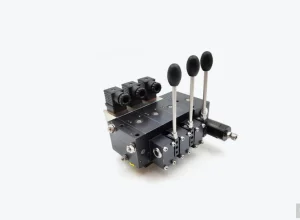
Simple on/off hydraulic valves can cause jerky movements at height, which can unsettle operators. The transition to proportional multi-way valve systems allows for smooth acceleration and deceleration of the boom and platform. By adjusting oil flow rates based on operator control inputs, these systems enable precise positioning near structures.
Under modern safety design guidelines, critical safety functions must have redundant architectures. Dual-channel processor systems cross-reference sensor signals from basket scales, boom angle sensors, and outrigger limit switches. If a discrepancy is detected, the system shifts into a safe state, preventing hazardous operations while allowing basic descent functions.
Answering key questions on compliance, hydraulic engineering, and customization requirements for Canberra and ACT operations.
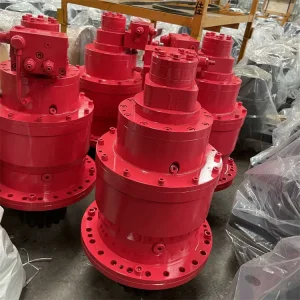
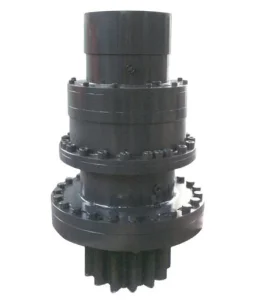
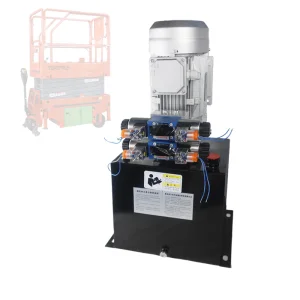
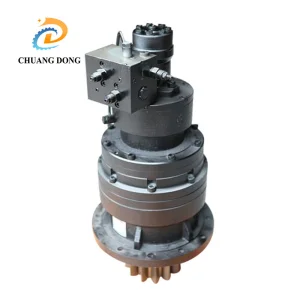
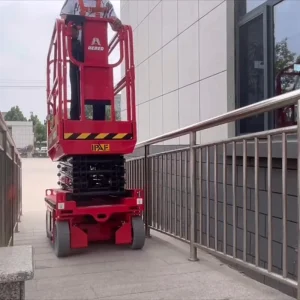
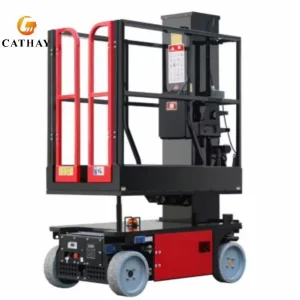
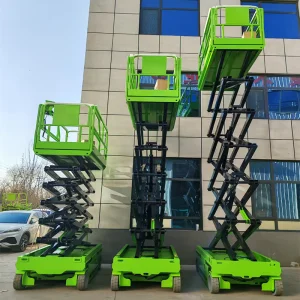
A selection of structural rotary drives, proportional valves, and heavy scissor components built for high-duty cycles.
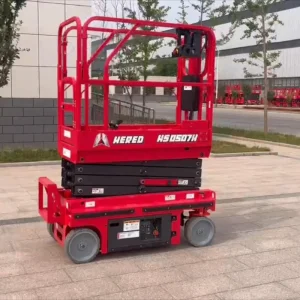
Contact our technical support desk to review engineering specifications, compliance documents, or custom quote options.
Send Inquiry Now Liftara Lift