The global market for hydraulic lifting systems and industrial jacks has undergone a significant paradigm shift. Driven by massive structural investments in infrastructure, aerospace, marine logistics, and automated manufacturing, the demand for high-tonnage lifting capacities has accelerated. Modern heavy-duty industries require absolute safety, precise load synchronization, and integration with intelligent digital controls. No longer just static mechanical components, hydraulic jacks and lifting platforms are now vital elements of automated production pathways and facility workflows.
Global manufacturers are actively addressing regional regulatory shifts, such as the European Union's updated EN 280 safety norms, ANSI standards in North America, and strict eco-design directives aimed at minimizing fluid leakage. Consequently, top-tier factories have invested heavily in structural integrity validation, finite element analysis (FEA), and eco-friendly fluid technologies. Choosing the right manufacturer involves assessing not only raw load ratings but also engineering depth, systemic reliability, and lifecycle maintenance capacity.
As a cornerstone of China's heavy engineering sector, Qingdao Liftara Lift Co., Ltd. has established a global footprint as a premier designer and manufacturer of series hydraulic lifting platforms. Positioned at the intersection of technological R&D and robust manufacturing processes, the company integrates design, material engineering, advanced production, and structural commissioning into a unified solution ecosystem.
Every product in the Liftara catalog is fabricated using ultra-high-tensile structural steel, ensuring rigidity under extreme loads. The design philosophy centers on operational safety, simplified preventative maintenance, and strict adherence to China's national standards as well as international directives. Whether developing high-altitude access lifts or automated conveyor lines, the enterprise delivers versatile configurations tailored to the precise specifications of global industrial buyers.
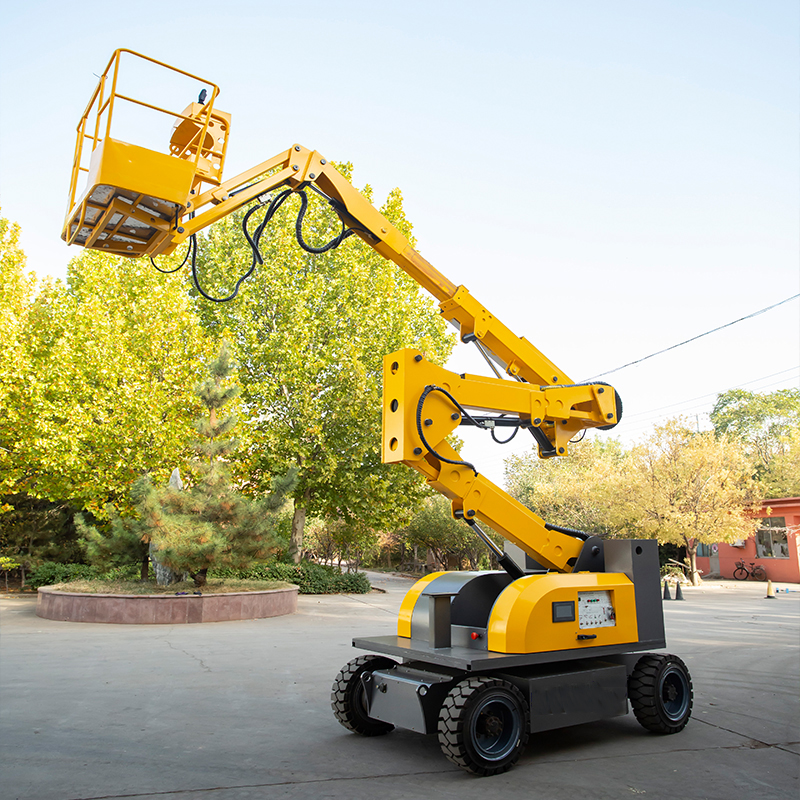
A key indicator of manufacturing capability is the breadth of product architectures. Liftara maintains extensive engineering lines that address various elevation and load handling needs:
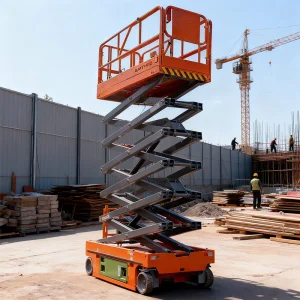
Includes mobile, self-propelled, track-mounted, and articulating boom lifts designed for safe high-altitude tasks. Essential for construction site setups, facilities maintenance, and utility networks.
Fixed, heavy-capacity scissor tables engineered for loading docks, automated packaging lines, and assembly setups. Capable of handling high loads with minimal structural deflection.
From aluminum alloy vertical passenger lifts and barrier-free home elevators to custom villa lift assemblies, designed for seamless integration and low noise profiles.
Automated vegetable conveyors, heavy-duty warehouse freight elevators, guide rail chain lifters, and intelligent vertical warehouse systems that maximize throughput.
High-tonnage vehicle-mounted elevators, traction-type mobile scaffolding platforms, and automated garage parking lift mechanisms designed for space optimization.
Multi-mast rotary elevators and intelligent guide rail systems featuring explosion-proof control panels, custom geometries, and specialized sealing options for harsh environments.
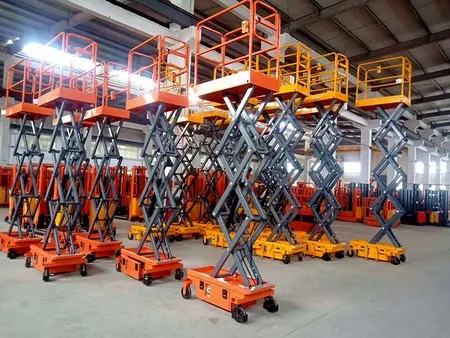
Modern lifting technology relies on hydraulic performance, mechanical stability, and electronic control integration. Top manufacturers like Liftara focus on key engineering differentiators to deliver reliable lifting solutions:
High-Performance Hydraulics: Utilizing micro-finished hydraulic cylinders with hard chrome-plated piston rods ensures minimal friction, long seal life, and reliable pressure retention. Double-acting cylinders provide positive control during extension and retraction, enhancing precision.
Redundant Safety Mechanisms: Systems are equipped with pilot-operated check valves and explosion-proof velocity fuses. These components prevent sudden drops in pressure if a hose ruptures, locking the platform safely in place.
Intelligent Control Panels: Programmable Logic Controllers (PLCs) allow for variable speed adjustments, automatic leveling, and integration into overall factory automation systems.
Hydraulic platforms operate in diverse industrial environments, each presenting unique engineering and operational challenges:
Equipped with intrinsically safe components, bronze bushings to prevent sparking, and customized electrical cabinets, these platforms safely transport materials in environments with volatile gases and fine dust.
Custom-engineered platforms featuring low-temperature hydraulic fluid, IP67 electrical components, and heavy-duty wear plates handle high cycle rates in freezing temperatures and busy distribution centers.
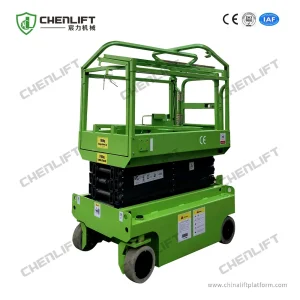
Compact, trailer-mounted and self-propelled scissor lifts navigate confined spaces like city streets and shopping malls, providing quick deployment and stable work platforms.
To meet specific industrial requirements, custom configurations are available. This includes modified table sizes, custom load ranges, explosion-proof systems, and intelligent rail layouts, all designed in compliance with relevant safety standards.
Sourcing lifting systems is a significant capital investment. Buyers should evaluate potential manufacturing partners based on key technical and quality control capabilities:
 Liftara Lift