How to Ensure Long Term Maintenance of Lifting Equipment?

Time:2026-08-22 Author:Isabella
0%

Lifting equipment plays a crucial role in various industries. Keeping this equipment in top condition ensures safety and efficiency. Yet, many organizations overlook how to maintain lifting equipment for long-term use. Regular maintenance is essential to prevent unexpected breakdowns.

Often, businesses underestimate the importance of thorough inspections. Neglecting routine checks can lead to severe consequences. Investing in a robust maintenance schedule is vital. It requires time, resources, and commitment. However, the payoff is significant. Well-maintained equipment reduces downtime and extends lifespan.

Additionally, training staff on proper usage is critical. Misuse is a common cause of equipment failure. Educated operators can spot potential issues before they escalate. Remember, maintaining lifting equipment is an ongoing process, not a one-time task. Each organization must adopt a proactive approach to ensure reliability and efficiency. Consider the long-term impact of your maintenance practices.
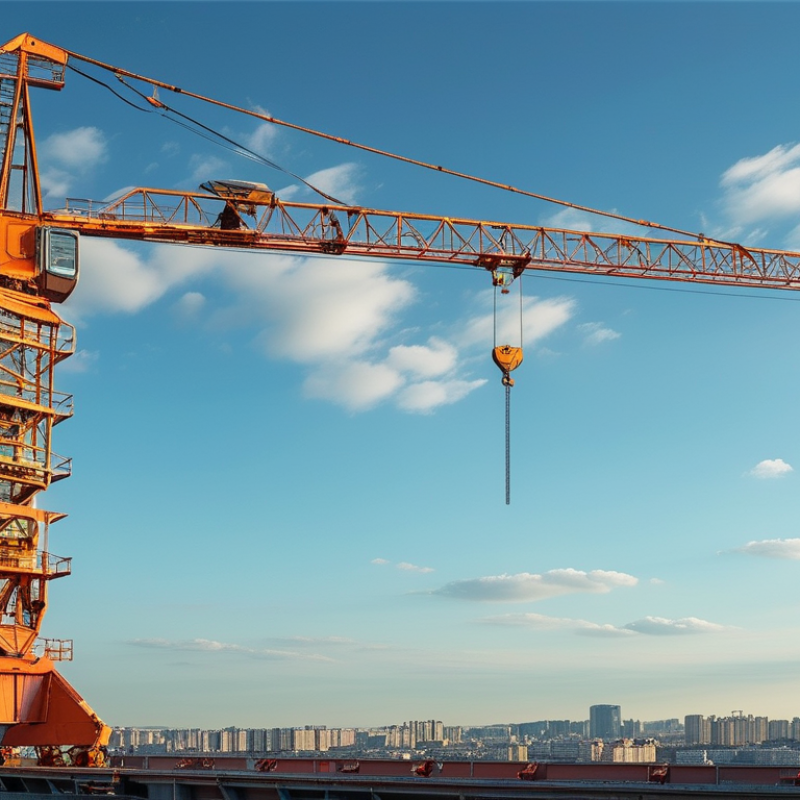
How to Ensure Long Term Maintenance of Lifting Equipment?

Understanding Lifting Equipment Maintenance Requirements and Standards

Lifting equipment plays a crucial role in various industries. Proper maintenance is essential to ensure its longevity and safety. Understanding maintenance requirements and standards is vital for all operators. Regular inspections should include checking for wear and tear, ensuring all safety devices function correctly. Documenting these inspections helps in tracking any recurring issues.

Industry standards outline specific guidelines for maintenance frequency and procedures. For instance, manufacturers often recommend routine checks at set intervals. However, not all equipment adheres to these schedules. Some operators may overlook minor repairs, which can lead to more significant issues later. Investing time in training personnel about these standards can significantly enhance equipment reliability.

Employees must understand their responsibilities regarding lifting equipment. Communication is key when identifying potential problems. Encouraging staff to report even minor issues can pave the way for thorough checks. Leaning on experience helps in recognizing patterns of wear. Yet, it’s important to reflect on past mistakes. Learning from these experiences enhances overall safety and efficiency.

Implementing Regular Inspection Protocols for Safety and Efficiency

Regular inspection protocols are vital for maintaining lifting equipment. Research indicates that approximately 50% of lifting-related incidents are due to improper maintenance. This underscores the importance of systematic checks. Inspections should not just be routine; they must be thorough. All components need scrutiny, from the hoist mechanism to safety locks. A detailed checklist can aid in this process, ensuring nothing is overlooked.

Data from the Health and Safety Executive shows that 1 in 5 lifting incidents is linked to equipment failure. Regular inspections can significantly mitigate these risks. It’s also essential to train staff. Knowledgeable operators can identify potential issues early. Training empowers workers to act swiftly, reducing accident rates in the workplace.

Lack of maintenance can lead to costly repairs or serious injuries. Some organizations underestimate the importance of a proactive approach. Investing in robust inspection procedures is not only safer but more economical in the long run. Balancing compliance with efficiency is crucial. Organizations must reflect on current practices and continuously improve them for better outcomes.

Utilizing Predictive Maintenance Technologies to Enhance Longevity

Predictive maintenance technologies have revolutionized the way lifting equipment is maintained. These systems analyze data from equipment sensors to predict when failures might occur. By leveraging this technology, businesses can avoid costly downtime and extend the lifespan of their equipment. It focuses on performance, detecting issues before they become severe. Regularly monitoring equipment helps in making informed decisions about repairs and replacements.

Data analysis relies on historical performance and environmental conditions. It isn’t flawless; false positives can occur. Implementing these systems requires careful calibration and ongoing adjustments. However, the advantages often outweigh the challenges. Training personnel to interpret data trends is essential. This builds a culture of proactive maintenance. It encourages teams to embrace technology, making them a vital part of the maintenance process.

Embracing predictive maintenance can transform the operational efficiency of lifting equipment. The challenge lies in integrating these technologies into existing frameworks. Continuous improvement in these processes leads to more reliable equipment. The objective should be not only to react to failures but to anticipate them effectively. Achieving this balance requires commitment and a willingness to adapt.

Training Personnel on Proper Use and Care of Lifting Equipment

Training personnel on the proper use and care of lifting equipment is vital for safety and efficiency. Employees should receive comprehensive training before operating any lifting device. This includes understanding the equipment's specifications, weight limits, and appropriate use protocols. Regular refreshers can reinforce knowledge and address any safety gaps that may arise over time.

To improve training outcomes, hands-on experiences should be incorporated. Allowing personnel to practice under supervision builds confidence and competence. Additionally, using scenarios can help workers recognize potential hazards. Encourage them to ask questions and share experiences. Team discussions can also uncover areas needing improvement.

Consider creating a checklist for daily inspections. This practice can aid in identifying issues before they turn into serious problems. Develop a culture that values safety awareness. Recognize individuals who demonstrate exceptional care and responsibility. Reflecting on past mistakes is crucial. It will help teams learn and adapt their practices to promote a sustainable maintenance routine.

Establishing a Comprehensive Maintenance Log for Equipment Tracking

Establishing a comprehensive maintenance log is crucial for ensuring the long-term efficiency of lifting equipment. Industry reports indicate that over 50% of accidents in material handling are linked to equipment failure. Proper documentation allows for tracking performance and identifying patterns. This proactive approach can prevent costly downtime.

A well-maintained log should include detailed records of service dates, repairs, and inspections. Each entry should note the condition of the equipment and any issues detected. Studies show that organizations with systematic maintenance logs reduce repair costs by 30%. This practice not only streamlines maintenance schedules but also enhances safety standards.

Lifting equipment requires vigilant oversight. The lack of a structured log can lead to oversight and missed maintenance windows. Compiling data from inspections should be a priority for all operators. Being diligent in documenting this information is indispensable for maintaining equipment in peak condition. Relying on memory or informal notes can result in critical lapses.

How to Ensure Long Term Maintenance of Lifting Equipment? - Establishing a Comprehensive Maintenance Log for Equipment Tracking

Equipment ID Equipment Type Last Maintenance Date Next Maintenance Due Maintenance Conducted By Remarks
001 Forklift 2023-08-15 2023-11-15 John Doe Replaced hydraulic fluid
002 Overhead Crane 2023-09-01 2023-12-01 Jane Smith Inspected cables and brakes
003 Hoist 2023-07-20 2023-10-20 Alice Johnson Lubricated moving parts
004 Lifting Sling 2023-05-30 2023-08-30 Bob Brown Checked for wear and tear
005 Man Basket 2023-06-10 2023-09-10 Lisa Green Safety harness checks

FAQS

: What is the importance of maintaining lifting equipment?

: Proper maintenance ensures longevity and safety, reducing the risk of equipment failure.

How often should lifting equipment be inspected?

Inspections should occur at recommended intervals, but actual practices may vary among operators.

What should be included in regular inspections?

Inspect for wear and tear, and ensure all safety devices function correctly.

Why is documentation of inspections important?

Documenting inspections helps track recurring issues and ensures accountability for maintenance.

How can predictive maintenance technologies improve reliability?

These technologies analyze data to predict failures, preventing costly downtime and extending equipment lifespan.

What are the challenges with predictive maintenance systems?

False positives can occur, and these systems require careful calibration and familiarization.

Why is training personnel essential for lifting equipment?

Comprehensive training promotes safe operation and helps avoid accidents due to misuse or misunderstanding.

How can practical training enhance learning?

Hands-on practice under supervision builds confidence and helps workers recognize hazards.

What role does communication play in equipment maintenance?

Encouraging staff to report issues fosters a culture of proactive maintenance and continuous improvement.

How can past mistakes contribute to better maintenance practices?

Reflecting on previous errors helps teams learn and adapt, promoting a sustainable maintenance routine.

Conclusion

To ensure the long-term maintenance of lifting equipment, it is crucial to understand the specific maintenance requirements and standards applicable to the equipment in use. Implementing regular inspection protocols is essential for both safety and operational efficiency, allowing for early detection of potential issues. In addition, utilizing predictive maintenance technologies can significantly enhance the longevity of the equipment by anticipating failures before they occur.

Moreover, training personnel on proper use and care of lifting equipment cannot be overlooked, as knowledgeable operators are key to minimizing wear and damage. Lastly, establishing a comprehensive maintenance log for equipment tracking facilitates organized record-keeping and timely interventions. By focusing on these aspects, one can effectively learn how to maintain lifting equipment for long-term use, ensuring both safety and productivity in operations.

Isabella

Isabella

Isabella is a dedicated marketing professional with a sharp focus on driving brand growth and engagement through strategic content creation. With an extensive background in digital marketing, she combines her passion for storytelling with her keen understanding of industry trends to deliver......