China Best Aerial Work Platforms What Are Common Challenges?

Time:2026-10-11 Author:Amelia
0%

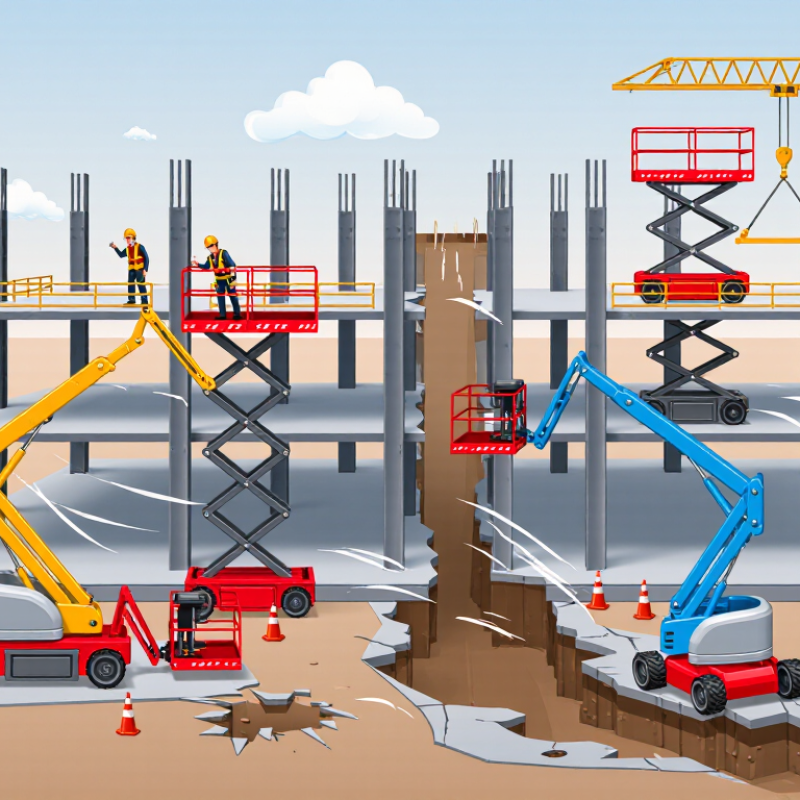
Choosing China’s best aerial work platforms requires more than comparing reach, battery capacity, or purchase price. The real question is operational: what are the common challenges in aerial work operations? On a construction site, a platform may face uneven concrete, narrow access routes, sudden wind, and incomplete ground assessments. These conditions can turn a suitable machine into a serious safety concern.

The International Powered Access Federation’s Global Safety Report 2024 recorded 118 powered-access fatalities from 177 reported incidents across 15 countries in 2023. Falls from platforms remained a major reported event category. The data is not a complete global census, but it clearly shows the importance of operator training, pre-use inspections, and effective rescue planning. OSHA also identifies falls as a leading cause of fatal construction injuries, reinforcing the need for controlled work-at-height procedures.

Practical challenges also appear after delivery. Operators may misunderstand load charts. Managers may overlook battery charging areas, emergency lowering systems, or daily weather limits. A machine that performs well in a factory test can behave differently on soft soil or beside moving vehicles. A perfect platform does not exist. This is where some purchasing guides become too optimistic. Buyers should examine certification, service response, spare-parts availability, documented inspection routines, and supplier training. Reports from IPAF and equipment manufacturers provide useful evidence, but site-specific experience still matters. The best aerial work platform is not simply the highest or cheapest model. It is the machine that remains stable, maintainable, and understandable during real work.

China Best Aerial Work Platforms What Are Common Challenges?

Understanding Aerial Work Platforms in China

China Best Aerial Work Platforms: What Are Common Challenges?

Understanding aerial work platforms in China requires more than comparing lifting height and platform capacity. In factories, warehouses, and construction sites, operators often face narrow aisles, uneven ground, humidity, and frequent equipment relocation. According to the IPAF Global Safety Report 2024, 118 powered-access fatalities were reported worldwide in 2023. Falls from platforms, overturns, and entrapment remained major causes. These figures show why guardrails, harness checks, ground assessment, and trained supervision matter in daily use.

China’s market also changes quickly. A 2024 report from the China Construction Machinery Industry Association identified continued growth in aerial work platform applications across construction, logistics, and property maintenance. However, rapid fleet expansion can create uneven maintenance quality. Some rental fleets record inspections carefully. Others rely too heavily on visual checks. That gap is dangerous. Battery condition, emergency-lowering systems, tire wear, and load sensors need documented testing, not assumptions.

Weather adds another practical challenge. Strong wind, heavy rain, dust, and winter temperatures can affect stability and battery performance. ISO 18893 emphasizes safe-use principles, including operator training, pre-start inspection, and rescue planning. Yet procedures may remain too general for a crowded Chinese worksite. A better approach uses site-specific risk assessments, clear communication, and realistic drills. Still, no checklist is perfect. Supervisors should review near misses, because small failures often appear before serious incidents.

Selecting the Best Platform for Different Work Environments

China Best Aerial Work Platforms: What Are Common Challenges?

Selecting the best aerial work platform depends on the work environment, not only the maximum height. Indoor warehouses often need compact electric scissor lifts. Their quiet operation protects nearby workers and reduces floor damage. Narrow aisles still create problems. Measure doorways, turning space, and floor capacity before delivery. A platform that reaches the required shelf may not fit the route.

Outdoor construction requires different decisions. Rough-terrain scissor lifts provide wider platforms and stronger traction on uneven ground. Boom lifts offer horizontal reach around steel frames, trees, or building edges. However, wind changes the risk quickly. Check the rated wind limit, ground firmness, and overhead obstacles before raising the platform. Stabilizers must stand on suitable surfaces, not loose soil or hidden voids.

Small spaces need careful judgment. Vertical mast lifts can work beside equipment, but their limited outreach may force frequent repositioning. Battery condition also matters during long shifts. A platform may pass its basic inspection yet perform poorly under a heavy load. Confirm combined worker, tool, and material weight against the rated capacity. Do not rely on appearance.

Site teams sometimes choose extra height as insurance. That can increase transport cost and reduce stability. This choice is not always better. A practical assessment should include access width, surface conditions, duty cycle, maintenance support, operator training, and emergency lowering procedures. Record these details before comparing equipment, because one overlooked doorway can delay an otherwise suitable project.

Common Safety and Operational Challenges

Aerial work platforms support construction, maintenance, and installation work at height. Yet even a well-designed machine can become unsafe through poor site decisions. Common challenges include unstable ground, overhead obstacles, limited visibility, and incorrect platform loading. Small errors matter.

Experienced operators usually inspect tires, guardrails, emergency controls, hydraulic lines, and alarms before each shift. They also check wind conditions and nearby power lines. A platform placed beside a trench may look stable, but soil can collapse after rain. Outriggers need firm, level support, not loose boards or improvised materials. Every worker should understand the rated load, including tools and materials. Overloading changes machine behavior and increases tipping risk.

Operational problems often appear during busy shifts. Batteries may lose power, hydraulic movement may become slow, or narrow access routes may force repeated repositioning. Supervisors should keep inspection records and arrange qualified maintenance before minor faults become failures. A clear rescue plan is essential if the platform stops at height. It should identify communication methods, ground personnel, and safe lowering procedures. Training alone is not enough. Workers sometimes remember the controls but forget the surrounding hazards. That habit needs questioning. Regular site briefings, realistic practice, and honest reporting of near misses can reveal weaknesses before an accident occurs. Critical decisions should never depend on guesswork.

China Best Aerial Work Platforms: Common Safety and Operational Challenges

Challenge Area Typical Risk or Operational Issue Common Contributing Factors Potential Consequence Recommended Control Measures Practical Performance Indicator
Ground Conditions and Stability Tip-over risk when equipment is positioned on soft, sloped, uneven, or insufficiently supported ground. Incomplete site assessment, hidden voids, wet soil, inadequate outrigger support, or operation beyond the permitted slope. Serious injury, equipment damage, structural failure, or work stoppage. Complete a documented ground assessment; use level indicators, approved support pads, wheel chocks, and the manufacturer’s slope limits. 100% of pre-use inspections include ground and slope verification.
Overloading and Load Distribution The platform is operated above its rated capacity or loads are concentrated on one side. Unrecorded tools and materials, multiple occupants, poor load planning, or misunderstanding of dynamic capacity limits. Reduced stability, control-system activation, component damage, or falls from height. Display the rated capacity clearly, weigh or estimate loads conservatively, secure materials, and never bypass overload protection. Zero operating cycles with a recorded overload alarm or capacity violation.
Falls from the Platform A worker falls while entering, exiting, leaning over guardrails, or working with an unprotected opening. Missing gates, damaged guardrails, improper harness use, climbing on rails, or unsuitable access practices. Major or fatal injuries and regulatory non-compliance. Keep gates closed, inspect guardrails, use approved personal fall protection where required, and prohibit climbing on rails or baskets. 100% compliance with access, gate, and fall-protection checks.
Overhead and Electrical Hazards The boom, platform, or load contacts overhead lines, structures, lighting, or pipework. Poor route planning, limited visibility, inadequate clearance assessment, or unauthorized work near energized conductors. Electric shock, arc flash, fire, equipment damage, or collision. Identify overhead hazards before setup, maintain the legally required clearance, use a spotter, and isolate or protect electrical services when feasible. 100% of work zones have a documented overhead-hazard review.
Collision and Pedestrian Interaction The machine strikes people, vehicles, buildings, racking, or other equipment during travel or positioning. Blind spots, congested sites, inadequate exclusion zones, poor communication, or excessive travel speed. Crushing injuries, property damage, downtime, and delays. Establish barriers, use a trained spotter where visibility is limited, apply site traffic rules, and test alarms and cameras. Zero unauthorized persons inside the defined operating exclusion zone.
Weather and Wind Conditions Wind, rain, ice, lightning, or poor visibility affects stability, traction, and operator control. Failure to monitor forecasts, work above the permitted wind limit, slippery surfaces, or sudden weather changes. Loss of stability, falls, reduced visibility, or weather-related shutdowns. Check weather before and during work, follow the equipment’s wind rating, stop during lightning, and secure the machine when parked. 100% of shifts include a recorded weather and wind assessment.
Inspection and Preventive Maintenance Mechanical, hydraulic, electrical, or structural defects remain undetected or are not repaired promptly. Skipped daily inspections, incomplete maintenance records, delayed parts, contamination, or unauthorized repairs. Unexpected breakdowns, unsafe operation, repair costs, and lost productivity. Use pre-start checklists, follow scheduled maintenance intervals, tag defective equipment out of service, and retain service records. 100% completion of scheduled inspections and corrective-action closure before release.
Operator Competence and Communication Operators misunderstand controls, operating limits, emergency procedures, or site-specific hazards. Insufficient training, language barriers, unfamiliar equipment, fatigue, or lack of practical assessment. Unsafe maneuvers, delayed emergency response, incidents, and reduced productivity. Authorize trained operators only, provide equipment-specific familiarization, conduct toolbox talks, and verify two-way communication. 100% of operators have current training and documented equipment familiarization.
Emergency Rescue and Recovery A person becomes stranded at height or the machine loses power and cannot be lowered normally. No rescue plan, inaccessible ground controls, untested emergency lowering system, or poor communication. Delayed rescue, suspension trauma, panic, or secondary injuries. Prepare a site-specific rescue plan, identify trained rescuers, test emergency controls, and keep contact methods available. A documented rescue drill is completed before high-risk work begins.
Battery, Fuel, and Charging Safety Charging, refueling, or battery handling creates fire, spill, gas, or equipment-availability risks. Poor ventilation, incorrect chargers, damaged cables, inadequate spill control, or charging in unauthorized areas. Fire, chemical exposure, environmental release, shortened battery life, or unexpected downtime. Use designated charging areas, inspect cables and batteries, provide ventilation and fire controls, and follow the approved charging procedure. Zero charging events with damaged cables, unauthorized chargers, or uncontrolled spills.

Maintenance, Training, and Regulatory Requirements

China Best Aerial Work Platforms: What Are Common Challenges?

Maintenance, Training, and Regulatory Requirements

Maintaining an aerial work platform requires more than checking oil and tire pressure. Daily inspections should cover guardrails, controls, emergency stops, alarms, batteries, and hydraulic hoses. A small leak near the lift cylinder can become a serious failure during a busy shift. Technicians should record inspection results, repair dates, and replaced parts. Clear records support safer decisions and help reveal repeated faults. In practice, maintenance schedules are rarely perfect. Dust, uneven ground, and rushed handovers often create gaps.

Operator training is equally important. Workers need practical instruction on load limits, platform stability, fall protection, and emergency lowering. Classroom knowledge alone is not enough. A trainee should operate the machine under supervision, especially on slopes or near overhead hazards. Refresher training matters after long absences, equipment changes, or incidents. Some operators understand the controls but overlook wind conditions. That weakness deserves honest review.

Regulatory requirements vary by location and equipment type. Owners should confirm applicable registration, inspection, operator qualification, and workplace safety rules with the relevant local authorities. Documents should remain accessible at the worksite, not hidden in an office drawer. Pre-use checks, periodic examinations, and qualified repairs may be required. Supervisors also need a rescue plan with named responsibilities and working communication devices. Paper compliance can look complete while site behavior remains unsafe. That difference is where many preventable problems begin.

China Best Aerial Work Platforms: Common Challenges

Compliance-planning index for maintenance, operator training, and regulatory control tasks. A higher score indicates more recurring controls that should be documented and monitored.

The index is a planning measure rather than an accident-rate statistic. It is structured around commonly required controls in OSHA 1910.67, OSHA 1926.453, ISO 18878, and manufacturer-independent safe-work practices: inspections, preventive maintenance, operator competence, fall protection, load limits, emergency procedures, records, and site risk assessment.

Ways to Improve Platform Reliability and Work Efficiency

China Best Aerial Work Platforms: What Are Common Challenges?

Reliable aerial work platforms depend on disciplined maintenance, not only advanced design. Technicians often find loose connectors, low battery voltage, and damaged tires during daily checks. Cold mornings can reduce battery performance and slow lifting cycles. Uneven ground creates additional stability risks.

The IPAF Global Safety Report 2024 recorded 118 fatalities in 100 reported incidents worldwide during 2023. Falls from platforms remain a serious concern. This data shows why reliability must include operator behavior, ground assessment, and emergency planning.

Work efficiency improves when inspections follow a clear, repeatable schedule. Check guardrails, controls, hydraulic leaks, alarms, and emergency lowering systems before each shift. Keep inspection records with operating hours and fault descriptions. ISO 18893 emphasizes inspection, maintenance, and safe operation for mobile elevating work platforms.

However, paperwork alone is not enough. A rushed inspection can miss a small crack near a weld. That mistake may become expensive later. Battery charging areas also need ventilation, clean connections, and temperature control.

Tips: Train operators with practical scenarios, not slides alone. Use a short pre-start checklist. Replace worn parts before failure. Monitor repeated fault codes. Set a realistic maintenance window between busy shifts. Leave space for improvement. Field teams sometimes over-trust digital alarms, while simple visual checks still reveal problems faster. Review near misses monthly and adjust training, routes, or platform settings accordingly.

FAQS

What challenges do aerial work platforms face on Chinese worksites?

Common problems include narrow aisles, uneven ground, humidity, dust, and frequent relocation. Small spaces matter. Operators must reassess conditions after moving the machine.

What should operators inspect before each shift?

Check tires, guardrails, emergency controls, hydraulic lines, alarms, batteries, and load sensors. Test functions, not appearances. A visual check alone may miss a weak emergency-lowering system.

How can uneven ground create danger?

Soft soil, trenches, and loose surfaces can reduce stability. Rain may weaken ground near an excavation. Outriggers need firm, level support, not loose boards or improvised materials.

What loading mistakes should workers avoid?

The rated load includes people, tools, and materials. Overloading can change platform movement and increase tipping risk. A small toolbox still adds weight.

How does weather affect platform operation?

Strong wind can reduce stability, while rain affects traction and ground strength. Cold temperatures may reduce battery performance. Dust can also affect controls and moving parts. Weather checks should happen before and during work.

What should a rescue plan include?

It should identify communication methods, ground personnel, and safe lowering procedures. Keep it practical. Workers should rehearse a stalled platform at height, not merely read instructions.

Why are inspection records important?

Records show whether batteries, alarms, emergency systems, and tires were tested properly. They also reveal repeated faults. Without records, maintenance decisions become guesswork.

How can supervisors reduce accidents during busy shifts?

Supervisors should hold short site briefings and review changing hazards. They should question unsafe habits, including poor visibility and repeated repositioning. Near misses deserve attention too. Small warnings are easy to ignore. That is the weakness.

Conclusion

Aerial work platforms in China are essential for construction, maintenance, warehousing, and infrastructure projects, but choosing the right equipment requires careful consideration of height, load capacity, ground conditions, mobility, and working space. Different environments may call for scissor lifts, boom lifts, vertical lifts, or compact platforms, so operators and managers should evaluate job requirements before selection. Understanding what are the common challenges in aerial work operations helps businesses prepare for unstable surfaces, limited access, changing weather, restricted visibility, and coordination difficulties on busy worksites.

Reliable performance also depends on regular inspections, preventive maintenance, qualified training, and compliance with applicable safety and operational requirements. Battery condition, hydraulic systems, tires, controls, emergency devices, and structural components should be checked regularly. Clear operating procedures, proper communication, and site-specific risk assessments can reduce downtime and improve productivity. By combining suitable platform selection with disciplined maintenance, practical training, and continuous safety management, companies can enhance equipment reliability, protect workers, and achieve more efficient aerial work operations.

Amelia

Amelia

Amelia is a seasoned marketing professional with a wealth of expertise in our company’s core offerings. With an unwavering passion for driving growth and innovation, she plays a pivotal role in shaping our marketing strategies and enhancing brand visibility. A key aspect of her responsibilities......