China’s lifting systems support demanding work in factories, ports, construction sites, and warehouses. They move steel coils, machinery, pallets, and other loads that leave little room for guesswork. Even a well-designed hoist or crane can develop wear through repeated use, harsh environments, or poor storage. A small crack near a weld may be easy to miss. A frayed wire rope is not.
So, why is regular inspection important for lifting systems? It helps identify visible damage, unusual wear, loose fasteners, leaking hydraulic lines, and faults in brakes or controls before they worsen. Inspections also give operators and maintenance teams clearer information for planning repairs and keeping equipment suitable for its intended workload. The exact checks and intervals depend on the equipment, how often it is used, its environment, and the manufacturer’s instructions. One schedule cannot fit every site.
Useful inspections need more than a quick glance. A competent person should examine relevant components, record findings, and make sure defects receive appropriate attention. Operators can also report changes they notice, such as jerky movement, unfamiliar noise, or a load that drifts after stopping. Still, inspection is not a promise that failure is impossible. It can be inconsistent, and records may miss context. That deserves attention. This guide explains practical reasons to inspect lifting systems regularly, what warning signs deserve prompt review, and how careful maintenance can support safer, more dependable lifting operations across China.
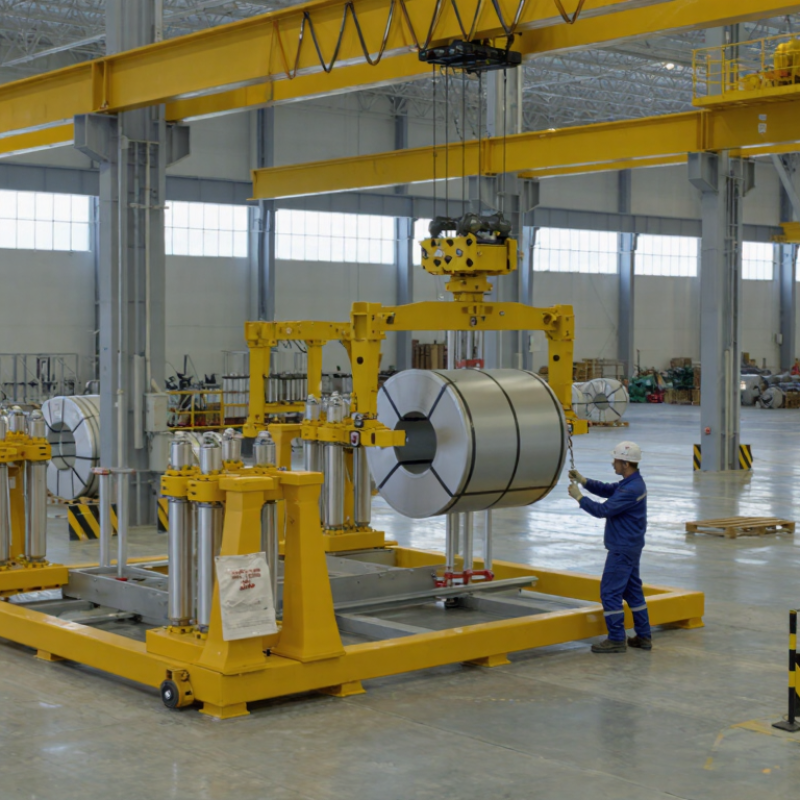
OSHA 1910.179 offers a practical benchmark for defining inspection scope on overhead and gantry cranes. It separates frequent inspections, conducted daily to monthly, from periodic inspections, conducted at intervals of one to twelve months. The interval depends on service conditions, including use frequency and operating environment. This standard is a benchmark, not a substitute for applicable local requirements.
A daily walk-around can note a frayed wire rope, a damaged hook latch, leaking hydraulics, or a brake that responds slowly. Frequent checks should cover operating mechanisms, hooks, hoist chains, and wire ropes.
Periodic inspections extend to structural members, fasteners, sheaves, drums, limit devices, and electrical equipment. Record defects and corrective actions; OSHA also specifies monthly certification records for certain hook, chain, and rope inspections. Small signs matter.
The U.S. Bureau of Labor Statistics reported 738 fatal work injuries from contact with objects and equipment in 2022. This broad category is not crane-specific, but it shows why equipment hazards deserve attention. A checklist helps, yet it cannot replace a trained inspector’s judgment. A clean-looking crane may still hide internal wear. That is easy to overlook. Keep inspection records tied to each crane, and review recurring defects instead of treating every repair as an isolated event.
A lifting system rarely fails without warning. Wear often begins at the hook throat, wire rope, brake, or control pendant. OSHA 1910.179(j)(1) sets frequent inspection intervals from daily to monthly, depending on service conditions. Normal-service equipment generally receives monthly checks; heavy or severe service calls for more frequent inspections. That interval is a baseline, not a reason to ignore unusual noise or rough movement. Small changes matter.
Tips: Record the date, inspector, findings, and corrective actions. Check hooks for distortion, ropes for broken wires, and brakes for drift. Compare findings with the equipment manual and your site’s service history. A quick glance is not a documented inspection. OSHA’s schedule helps set timing, but actual wear can be uneven; a busy shift may reveal problems sooner than a calendar does. Review intervals when load frequency or operating conditions change. Some checklists feel repetitive. Keep using them.
A lifting system can look sound while a wire rope hides broken strands or a brake begins to slip. Set inspection dates before these small changes become missed defects. For covered overhead and gantry cranes, OSHA 29 CFR 1910.179(j)(1)(ii) specifies periodic inspections at intervals of 1 to 12 months, depending on service, severity, and environment. This range is a useful scheduling reference, not a universal rule for every lifting device.
Choose the interval from actual use. A crane moving loads every shift in a dusty workshop may need more frequent checks than one used occasionally in a clean area. Inspect hooks, ropes, brakes, controls, and limit switches, and record defects and repairs. Follow the applicable equipment standard and manufacturer instructions too. A calendar can look perfect; busy shifts still cause checks to slip.
Tips: Keep a dated inspection log beside the maintenance records. Note the inspector, operating hours, findings, and corrective action. Shorten the interval after overload events, unusual noise, or repeated repairs. If a defect affects safe operation, remove the equipment from service until it is assessed and corrected.
A lifting hook can look sound while its geometry has changed. Check the throat opening against the hook’s original dimension or documented baseline. An increase above 15% is a serious warning and calls for removal from service pending qualified assessment. Check for twist, too: more than 10° from the hook’s original plane is a stop-and-check condition. These figures are commonly used inspection limits; confirm the applicable OSHA requirements and equipment instructions for your operation.
Measure carefully. A ruler may miss a small change, so use a suitable gauge or caliper when available. Look for cracks, worn contact surfaces, corrosion, and a damaged latch. Keep the hook unloaded during inspection, and record measurements so future checks have a useful comparison. Small changes matter. Do not guess. If the original throat dimension is unknown, or the hook’s shape is difficult to judge, do not rely on appearance alone. Tag it out and ask a qualified person to assess it. Never try to straighten a bent hook; that can hide damage rather than fix it. A rushed glance is easy to regret, especially when the next lift is already waiting.
Regular wire-rope inspections can catch damage before a hoist lifts a suspended load. Under applicable OSHA crane requirements, a common removal limit is six randomly distributed broken wires in one rope lay, or three broken wires in one strand within one lay. A lay is the length where a strand makes one complete turn around the rope. Count carefully; a quick glance can miss wires hidden between strands.
Tips: Clean the rope enough to see its outer wires. Check slowly along its length, especially near sheaves, drums, end fittings, and points that bend repeatedly. Look for kinks, crushing, corrosion, and unusual diameter changes. Record the location and number of broken wires, then compare them with the standard and the equipment manufacturer’s instructions. The count is useful, but it is not the whole story.
If a rope reaches the applicable removal limit, take it out of service and have a qualified person assess it. Some rope types or service conditions have different criteria. Don’t assume a rope is safe because it falls just below the wire-count threshold; severe wear or deformation may also call for removal. Small details matter. A missed strand can change the decision.
| Inspection dimension | Applicable criterion or interval | Action when the criterion is met | OSHA reference |
|---|---|---|---|
| Broken wires in a running rope on an overhead or gantry crane | Remove the rope from service when there are 12 randomly distributed broken wires in one rope lay, or 4 broken wires in one strand in one rope lay. | Stop use and have the rope replaced or evaluated in accordance with the applicable requirements and the manufacturer’s instructions. | 29 CFR 1910.179(j)(2)(iii) |
| Broken wires in a wire-rope sling | Remove the sling from service when there are 10 randomly distributed broken wires in one rope lay, or 5 broken wires in one strand in one rope lay. | Tag or otherwise identify the sling as unusable and take it out of service. | 29 CFR 1910.184(f)(5)(i) |
| Construction wire-rope slings | The same listed broken-wire thresholds apply: 10 randomly distributed wires in one lay, or 5 wires in one strand in one lay. | Remove the sling from service when a listed removal criterion is reached. | 29 CFR 1926.251(c)(4) |
| “6 broken wires per lay or 3 per strand” | This is not a universal OSHA removal threshold for the crane-running-rope and wire-rope-sling provisions listed above. A stricter limit may be specified by a manufacturer, site procedure, or other applicable requirement. | Check the exact equipment type, governing standard, and manufacturer’s instructions. Apply any stricter applicable limit; do not use 6/3 as a substitute for the OSHA criteria above. | See the applicable regulation for the equipment and task. |
| Inspection frequency for crane running ropes | Frequent inspections are required at intervals ranging from daily to monthly, depending on service conditions. Periodic inspections are required at intervals ranging from 1 to 12 months, depending on activity, severity, and environment. | Set and document inspection intervals appropriate to the rope’s use and conditions. Inspect more often when severe service or operating conditions warrant it. | 29 CFR 1910.179(m) |
| What counts as one rope lay | A rope lay is the length of rope over which one strand makes one complete turn around the rope’s core. | Count broken wires over the full lay length, and also check each strand for its strand-specific limit. | Use the applicable equipment standard and rope construction information. |
| Other removal indicators | Broken wires are only one inspection factor. OSHA crane-rope provisions also address conditions such as severe corrosion, kinking, crushing, bird-caging, and other distortion or damage. | Remove damaged or suspect rope from service for qualified evaluation; do not rely on a broken-wire count alone. | 29 CFR 1910.179(j) |
Always identify whether the rope is a crane running rope, a sling, or another lifting component before applying a removal criterion. OSHA requirements may differ by equipment type and work activity.
Frequent inspections may range from daily to monthly. Periodic inspections generally occur every one to twelve months, depending on use and conditions. Follow applicable requirements and equipment instructions.
Look for frayed wire rope, damaged hook latches, hydraulic leaks, and slow brakes. Small signs matter.
Check structural members, fasteners, sheaves, drums, limit devices, and electrical equipment. Also inspect hooks, ropes, brakes, and controls.
A crane used every shift in a dusty workshop may need more frequent checks. Consider workload, environment, and recurring defects. Calendars can be misleading.
A throat opening increase above 15% or a twist exceeding 10 degrees can signal a serious problem. Confirm the applicable limits and equipment instructions.
Compare measurements with the original dimension or a documented baseline. Use a suitable gauge or caliper when available. Record findings for future checks.
Remove the equipment from service until it has been assessed and corrected. Never try to straighten a bent hook.
Note the crane, date, inspector, operating hours, defects, and corrective actions. Review repeated problems instead of treating each repair as unrelated. A checklist helps, but judgment still matters.
Regular inspection helps identify wear, damage, and operating problems before they affect lifting performance. To define an inspection scope, use OSHA 1910.179 as a benchmark and include the equipment’s key components and safety features. The question “why is regular inspection important for lifting systems” is answered by the need to catch developing defects early and keep equipment suitable for its working conditions. Frequent checks may range from daily to monthly, depending on use, while periodic inspections should be scheduled at intervals of 1 to 12 months according to service conditions and inspection findings.
During inspections, pay particular attention to hooks and wire ropes. A hook should be assessed for deformation, including a throat opening more than 15% beyond its normal measurement or a twist greater than 10°. Wire ropes should be checked against removal criteria, including six broken wires in one lay or three broken wires in one strand. Recording findings and addressing defects promptly helps support safer, more dependable lifting operations.

Liftara Lift